Retro Review: Prince - 1999

Alright, my fellow music aficionados, let's take a trip back to revisit the masterpiece that is Prince's "1999." Buckle up, because this album is a wild ride through the mind of one of the greatest musical geniuses of our time.

Released in 1982, "1999" was Prince's fifth studio album and the one that truly put him on the map. With its infectious blend of funk, new wave, and rock, this double album is a non-stop party from start to finish. It's like Prince invited us all to his own personal dance club, complete with flashing lights, glitter, and enough sexual innuendo to make your grandma blush.

The album kicks off with the title track, "1999," which sets the tone for the entire record. Prince's falsetto vocals soar over a pulsating beat as he warns us about the impending apocalypse, but in a way that makes you want to dance your way into oblivion. It's the perfect blend of hedonism and social commentary that Prince does so well.

From there, we're treated to a cavalcade of hits that have become staples of Prince's discography. "Little Red Corvette" is a sexy, synth-driven ode to a one-night stand, while "Delirious" is a frenetic, high-energy track that will have you dancing like a maniac in your bedroom. And let's not forget "Let's Pretend We're Married," which is basically Prince's way of saying, "Hey, let's have a lot of wild, passionate sex and not worry about the consequences."

But "1999" isn't just about the hits. The album is also filled with deep cuts that showcase Prince's incredible songwriting and musical prowess. "Something in the Water (Does Not Compute)" is a haunting, introspective track that explores the darker side of technology, while "Lady Cab Driver" is a funky, cinematic journey that takes us on a wild ride through the streets of Minneapolis.

Overall, "1999" is a timeless masterpiece that still sounds fresh and exciting today. It's a testament to Prince's incredible talent and his ability to push the boundaries of music and culture. So, if you haven't already, do yourself a favor and give this album a spin. Trust me, you won't regret it.

Video Vault: We're Not Gonna Take It - Twisted Sister

Greetings, music aficionados and lovers of all things rebellious! Today, we're diving into the wild and wacky world of Twisted Sister's iconic music video for "We're Not Gonna Take It." So, grab your wigs, your makeup, and your loudest voice, because we're about to have a blast!

The Video: A Rebellion Against Authority

Released in 1984, the music video for "We're Not Gonna Take It" is a hilarious, over-the-top rebellion against authority. The video features the band's frontman, Dee Snider, as a disgruntled teenager who just wants to rock out with his guitar. Enter the tyrannical father figure, played by Mark Metcalf, who's determined to squash his son's dreams.

The Mayhem Begins

As the song kicks into high gear, the band members transform into mischievous kids, wreaking havoc on the father's house. From smashing furniture to blasting confetti cannons, the video is a non-stop riot of fun and rebellion. The father, in his desperate attempts to regain control, only ends up making things worse for himself.

The Message: Fight for Your Dreams

At its core, "We're Not Gonna Take It" is a song about standing up for your dreams and not letting anyone hold you back. The music video perfectly captures this message, with the band members and kids banding together to fight against the oppressive father figure.

The Legacy Lives On

"We're Not Gonna Take It" has become an anthem for anyone who's ever felt stifled by authority or had their dreams dismissed. The video's message of rebellion and standing up for what you believe in has resonated with audiences for decades, making it a timeless classic.

The Final Note

Twisted Sister's "We're Not Gonna Take It" music video is a riotous, hilarious, and ultimately inspiring piece of art. It's a reminder that sometimes, you just have to stand up, be yourself, and say "We're Not Gonna Take It!"

So, there you have it – a brief exploration of the wild and wacky world of Twisted Sister's iconic music video. Whether you're a die-hard fan or a newcomer to the band's music, one thing is for certain: this video is a testament to the enduring power of rebellion and the importance of standing up for your dreams. 

Chartbuster: Enjoy The Silence - Depeche Mode

Greetings, music aficionados! Today, we're embarking on a journey through the ethereal soundscape of Depeche Mode's iconic hit, "Enjoy the Silence." So, grab your headphones, turn the volume up to eleven, and let's dive into the musical rabbit hole.

The Birth of a Classic

Released in 1990 as the second single from their seventh studio album, "Violator," "Enjoy the Silence" quickly became a staple in the new wave and synth-pop genres. The song was written by the band's principal songwriter, Martin Gore, and produced by Flood and Depeche Mode.

The Sonic Landscape

"Enjoy the Silence" is a masterclass in musical minimalism. The song features a sparse, yet incredibly catchy synth riff that serves as the backbone of the track. Dave Gahan's haunting vocals soar above the synth landscape, delivering lyrics that are both enigmatic and thought-provoking.

The chorus, with its iconic line "Words are very unnecessary, they can only do harm," encapsulates the song's central theme of the power of silence and the futility of words in conveying true emotions.

The Music Video

The music video for "Enjoy the Silence" is a visual feast. Directed by Anton Corbijn, the video features the band's frontman, Dave Gahan, dressed as a king, wandering through various landscapes with a deck chair. The video's surreal imagery perfectly complements the song's dreamlike quality.

The Legacy

"Enjoy the Silence" has left an indelible mark on the music world. The song has been covered by numerous artists, including Lacuna Coil, Tori Amos, and Anberlin, and has been featured in countless films, TV shows, and commercials.

In 2010, Pitchfork ranked "Enjoy the Silence" at #15 on their list of the Top 200 Tracks of the 1990s, and Rolling Stone placed it at #415 on their list of the 500 Greatest Songs of All Time.

The Final Note

"Enjoy the Silence" is a timeless masterpiece that showcases Depeche Mode's ability to craft evocative, emotionally resonant music. The song's minimalist approach, coupled with its thought-provoking lyrics, has made it a beloved classic that continues to captivate audiences to this day.

So, there you have it – a brief exploration of the sonic universe of Depeche Mode's "Enjoy the Silence." Whether you're a die-hard fan or a newcomer to the band's music, one thing is for certain: this song is a testament to the enduring power of silence and the beauty of simplicity.

Music On Film: Valley Girl

Hey there, music lovers and movie buffs! Today, we're taking a trip down memory lane to revisit the iconic 1983 film, Valley Girl, and its equally memorable soundtrack. So grab your leg warmers, hairspray, and neon accessories, because we're about to dive into a world of love, rebellion, and some seriously groovy tunes.

The Movie: A Tale of Two Worlds

Valley Girl tells the story of Julie, a "Valley Girl" from the affluent suburbs of Los Angeles, who falls in love with Randy, a punk rocker from the city. The film explores the clash of cultures, the power of love, and the struggle to find one's identity in a world of conformity.

The Soundtrack: A Time Capsule of the 80s

The Valley Girl soundtrack is a perfect reflection of the era, featuring a mix of new wave, punk, and pop hits that capture the spirit of the time. From the infectious energy of The Plimsouls' "A Million Miles Away" to the synth-pop goodness of Josie Cotton's "Johnny, Are You Queer?", the soundtrack is a treasure trove of 80s nostalgia.

Standout Tracks

Here are some of the standout tracks from the Valley Girl soundtrack that are sure to get your toes tapping and your heart racing:

  • The Plimsouls - "A Million Miles Away": This power-pop anthem perfectly captures the feeling of longing and desire that permeates the film.
  • Josie Cotton - "Johnny, Are You Queer?": A playful and provocative song that adds a touch of humor to the film's soundtrack.
  • Modern English - "I Melt With You": A timeless classic that has become synonymous with the 80s, this song perfectly captures the film's themes of love and rebellion.
  • The Psychedelic Furs - "Love My Way": A dreamy, synth-driven track that adds a touch of romanticism to the soundtrack.

The Legacy Lives On

The Valley Girl soundtrack has stood the test of time, and its influence can still be felt in today's music. The film and its soundtrack have become cult classics, beloved by fans of 80s cinema and music alike.

So, there you have it - a brief journey through the world of Valley Girl and its unforgettable soundtrack. Whether you're a die-hard fan of the film or just discovering it for the first time, one thing is for sure: the music of Valley Girl will transport you back to a time of big hair, bold fashion, and unforgettable tunes.

Now, if you'll excuse me, I'm off to blast "A Million Miles Away" at full volume and dance like nobody's watching. Rock on, my friends! 

The Pretenders: A Rock 'n' Roll Journey Through Time

Hey there, music aficionados! Today, we're going to take a wild ride through the career of one of the most iconic bands to grace the stage - The Pretenders! Buckle up, because this is going to be one heck of a journey.

The Birth of a Legend

The Pretenders, the brainchild of the fierce and fabulous Chrissie Hynde, burst onto the scene in 1978. With a sound that blended punk, new wave, and a dash of rock 'n' roll, they quickly became a force to be reckoned with. Their self-titled debut album, released in 1979, was a smash hit, featuring timeless classics like "Brass in Pocket" and "Kid."

The Rise to Stardom

The 80s were a wild ride for The Pretenders. Their second album, "Pretenders II," solidified their status as rock 'n' roll royalty. The band faced some tough times, with the tragic loss of guitarist James Honeyman-Scott and bassist Pete Farndon. But, like a phoenix rising from the ashes, they bounced back with their third album, "Learning to Crawl," featuring the unforgettable "Middle of the Road."

The 90s and Beyond

The Pretenders continued to evolve and experiment with their sound throughout the 90s and beyond. They released a string of albums, including "Last of the Independents" and "Viva El Amor!" Each new release showcased their versatility and ability to stay relevant in an ever-changing music landscape.

The Legacy Lives On

Fast forward to today, and The Pretenders are still going strong. Their latest album, "Hate for Sale," is a testament to their enduring talent and ability to create music that resonates with fans old and new. Chrissie Hynde's voice remains as powerful and emotive as ever, and the band's signature sound is as fresh and exciting as it was back in the day.

So, there you have it - a whirlwind tour of The Pretenders' incredible career. From their humble beginnings to their current status as rock 'n' roll legends, this band has left an indelible mark on the music world. Whether you're a die-hard fan or a newcomer to their sound, one thing is for sure - The Pretenders are here to stay.

Now, if you'll excuse me, I'm off to blast "Brass in Pocket" at full volume and dance like nobody's watching. Rock on, my friends!

Chartbuster: Summer of ‘69 - Bryan Adams

"Summer of ‘69" is a classic rock tune that has stood the test of time since its release in 1984 by the Canadian singer-songwriter Bryan Adams. The song is an ode to the summer of 1969, inspired by Adams' fond reminiscence of his teenage years, his first guitar, and his first love.

The song starts with a classic rock guitar riff that is instantly recognizable and has been played countless times at parties, weddings, and other events. This riff sets the tone for the entire song, which is filled with energy, nostalgia, and an infectious sense of joy.

The lyrics of "Summer of ‘69" are simple and relatable, which is one of the reasons why the song has remained so popular throughout the years. Adams sings about how he got his first real six-string guitar, which he bought at a five-and-dime store when he was just a young boy. He then goes on to say how he spent every spare moment that summer playing his guitar with his friends.

Adams also sings about his first love, whose memory lingers in his mind to this day. He reminisces about how they used to hang out in the back of his friend's car, listening to the radio and dreaming about the future.

One of the most iconic lines of the song is when Adams sings, "Those were the best days of my life." This line has become a cultural touchstone, capturing the feeling of wistful nostalgia that many people experience when looking back on their youth.

The chorus of "Summer of ‘69" is equally memorable, with Adams singing, "Oh, when I look back now, that summer seemed to last forever, and if I had the choice, yeah, I'd always wanna be there, those were the best days of my life." This chorus captures the essence of the song, with Adams expressing his desire to relive those carefree days of his youth.

In conclusion, "Summer of ‘69" is a classic rock anthem that has stood the test of time. Its simple yet powerful lyrics, catchy guitar riff, and infectiously joyful spirit continue to inspire and delight music lovers of all ages. It's a song that will always have a special place in our hearts, reminding us of the beauty and wonder of youth and the importance of cherishing the memories that we create along the way.

Chartbuster: One Night in Bangkok - Murray Head

If you're looking for a song that transports you to a different world, "One Night in Bangkok" by Murray Head is a great place to start. Released in 1984, this song has since become a classic and a favorite among many music enthusiasts. Its unique combination of pop elements and exoticism makes it an irresistible tune that's sure to get you grooving.

Lyrically, the song tells a story of a chess game being played in Bangkok, with the main character, played by Murray Head, offering a commentary on the city's culture and nightlife. The chorus of the song is particularly memorable and infectious, with the words "One night in Bangkok makes a hard man humble, not much between despair and ecstasy." It speaks to the idea that the city is a place where people can experience the highs and lows of life.

The music in "One Night in Bangkok" is just as exciting as its lyrics. The song starts with a mesmerizing synth riff that sets the tone for what's to come. The percussion and guitar work are also notable, adding a layer of intensity and depth to the song. And of course, Murray Head's vocals are unforgettable - smooth and confident, he really brings the lyrics to life.

Another factor that makes "One Night in Bangkok" so special is its combination of pop elements with exoticism. The song was produced by Benny Andersson and Bjorn Ulvaeus, both of whom were members of ABBA. You can hear their influence in the synthesizer-heavy sound and catchy hook, which are quintessentially pop. But the song also features traditional Thai instruments like the khene, which give it a distinctly exotic feel.

Perhaps one of the reasons why "One Night in Bangkok" has endured is because it's so different from anything else out there. It's not your typical love song or dance track, but rather a commentary on a fascinating city, and an ode to the experiences you can have there. And with its memorable melody and exotic sound, it's no wonder why it's still a favorite among music fans today.

In conclusion, "One Night in Bangkok" by Murray Head is a timeless classic that is a must-listen for anyone who appreciates great music. Its unique blend of pop and exoticism, coupled with its memorable lyrics and powerful vocals, make it a song that will stay with you long after it's over. So next time you're in the mood for something a bit different, give this classic a spin – you won't be disappointed!

Video Vault: Land of Confusion - Genesis

"Land of Confusion" is a song by the British rock band Genesis, released in 1986 as a single from their album Invisible Touch. The music video for the song is an iconic piece of 80s pop culture, known for its use of puppetry and its powerful political commentary.

Directed by John Lloyd and Jim Yukich, the music video for "Land of Confusion" features puppets made by the British production team of Spitting Image, a satirical television series that was popular in the UK during the 1980s. The video shows the band members as puppets, as they navigate a dark and dystopian world filled with strange creatures and political chaos.

The highlight of the video is a scene featuring then-US President Ronald Reagan and then-UK Prime Minister Margaret Thatcher as grotesque-looking puppets. The scene satirizes the politics of the time and suggests that the world was run by self-interested and corrupt politicians. The video was groundbreaking in using puppets to express these political themes, making it one of the most memorable and iconic music videos of its time.

The video was also memorable for its use of cutting-edge technology, with puppetry, live-action footage, and animatronics all being employed to create a vivid and unforgettable visual experience. The dark and dystopian world portrayed in the video was a stark contrast to the bright and colorful music videos that dominated the pop culture of the 80s, making it stand out even more.

The video ends with the puppets returning to their headquarters, dejected and hopeless, suggesting that the problems of the world couldn't be solved. However, even with its bleak message, "Land of Confusion" resonated with viewers, who appreciated the video's powerful commentary on politics and society.

Overall, the music video for "Land of Confusion" is a testament to the creativity and ingenuity of the 80s music scene. It perfectly captures the era's fascination with technology and political commentary, making it an unforgettable part of music video history.

Music on TV: Solid Gold

Solid Gold was a hugely popular American music television program that aired in syndication from 1980 to 1988. Hosted by Dionne Warwick, the show featured a rotating cast of dancers and performers who would lip-sync and dance along to the top pop hits of the week. The show quickly became a cultural phenomenon, with its signature gold outfits, sparkling sets, and infectious energy creating a style all its own.

Each week, the show would count down the top ten hits of the week, along with special performances by both up-and-coming and established artists. Some of the biggest names in music history, such as Madonna, Stevie Wonder, and Whitney Houston, appeared on the show, and many considered a performance on Solid Gold to be a coveted opportunity to showcase their music.

In addition to the music, Solid Gold was also known for its famously attractive lineup of dancers, known as the "Solid Gold Dancers." These dancers became iconic for their matching gold outfits and their impressive choreography. The dancers became immensely popular, and many of them went on to have successful careers in Hollywood and the entertainment industry.

But the show was more than just a platform for hit pop songs and dancing – it was also a reflection of the era's fashion and trends. Viewers tuned in each week not just to hear the latest hits, but to see the latest fashions and hairstyles. The show was influential in shaping fashion during the era, and the colorful, glitzy style of Solid Gold made its way into fashion for years to come.

Although the show ended its run in 1988, its cultural impact has lasted through the years. The show managed to capture the infectious energy and excitement of the era, and its influence can still be seen today in the pop music and fashion of the current era. Solid Gold's unique blend of music, dance, fashion, and entertainment will always remain a beloved part of the 80s.

Spotlight: Corey Hart

Corey Hart is a Canadian singer-songwriter and musician who rose to fame in the 1980s with his unique brand of pop music blended with new wave and synthpop elements. His music, which often focused on themes of love and longing, cemented his place as one of the most iconic musicians of the decade.

Hart’s break came in 1983 with the release of his debut album, First Offense. The lead single from the album, "Sunglasses at Night" became an instant hit, peaking at #7 on the US Billboard Hot 100 chart. The song's catchy chorus, memorable music video, and driving beat caught the attention of fans around the world and quickly became an anthem of the era.

The success of "Sunglasses at Night" propelled Hart into the limelight, and he followed up with a string of hits that would define his career. "It Ain't Enough," "Never Surrender," and "Can't Help Falling in Love" all became instant classics and cemented Hart's place in music history. His soaring vocals, and the anthemic quality of his music quickly made him one of the most recognizable singers of the era.

But it wasn't just his music that made Hart stand out. He was also known for his distinctive style, with his signature sunglasses, cool jackets, and edgy look. He had a way of connecting with his fans that was both relatable and aspirational, making him one of the most beloved artists of the decade.

Despite taking a break from music for several years in the 1990s, Hart has continued to create and perform music. He released several albums throughout the years and received recognition for his importance in music history when he was inducted into the Canadian Music Hall of Fame in 2019.

Looking back at Corey Hart's music, it's clear that his unique blend of pop and new wave has stood the test of time. His songs continue to be played on the radio and featured in movies and TV shows, proving that the legacy of this Canadian icon has endured. Corey Hart's unforgettable music, style, and persona will forever remain a part of the golden age of 80s music, and his contributions to the music world will never be forgotten.

Retro Review: Queen - The Game

Queen, the legendary British band, released their eighth studio album titled "The Game" in 1980. This album marked a significant shift in the band's music style, reflecting the changing musical landscape of the time.

"The Game" is widely regarded as a seminal album in Queen's career, and rightly so. It's the band's best-selling album, with over four million copies sold in the United States alone. The album features a range of styles, from hard rock to funk to pop, showcasing the band's versatility as musicians.

The album opener, "Play the Game," sets the tone for the album, with its pulsating rhythm and Freddie Mercury's soaring vocals. The song showcases the band's ability to blend rock and pop effortlessly. The hit song "Another One Bites the Dust," written by bassist John Deacon, has become an iconic song of the era, with its thumping bassline and catchy hook.

The album's other tracks are just as memorable, such as "Dragon Attack," an electrifying funk-rock track with Brian May's signature guitar riff, and "Crazy Little Thing Called Love," a throwback to rockabilly that became a mainstream hit.

The album also features two ballads - "Save Me" and "Need Your Loving Tonight." These songs showcase Freddie Mercury's impressive vocal range, particularly in "Save Me," where he delivers an emotional and powerful performance.

The production on "The Game" is excellent, with the album showcasing a polished and refined sound. The band worked with producer Reinhold Mack, who had previously worked with Queen on their previous album, "News of the World."

Overall, "The Game" is a classic album that showcases Queen's musical range and demonstrates their ability to adapt to changing musical trends. The album's timeless songs have stood the test of time, and it's still a favorite of music lovers today.

In conclusion, "The Game" is an essential album for any Queen fan and for anyone who appreciates great music. It's a must-listen for anyone who wants to experience the timeless magic of one of the greatest bands in music history.

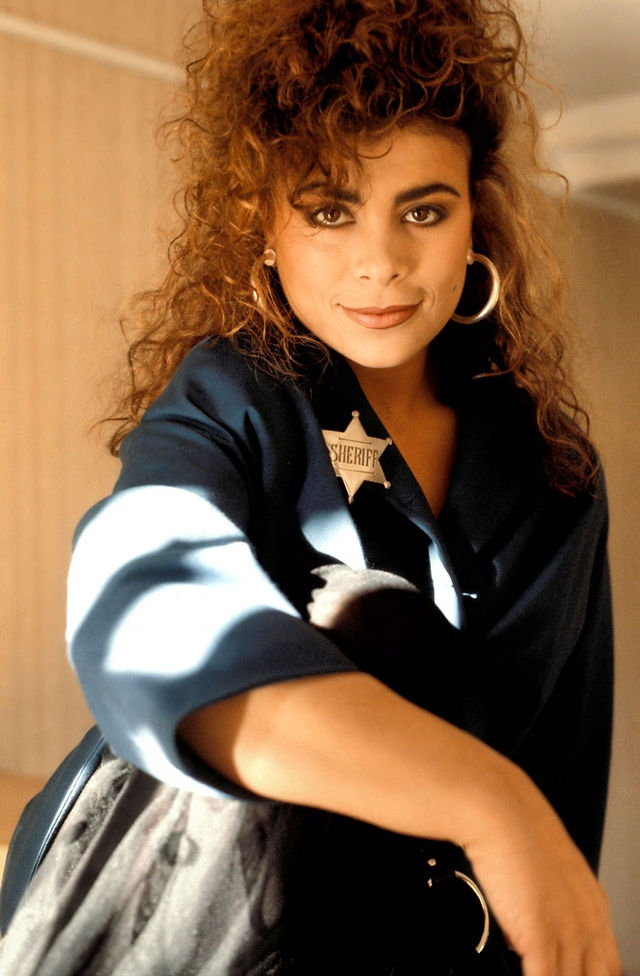
Spotlight: Paula Abdul

Paula Abdul is a singer, songwriter, dancer, and choreographer who rose to fame in the 1980s. Her unique style of dance moves and energetic pop music was an instant hit, quickly making her one of the biggest stars of the decade.

Abdul’s hit single "Straight Up" released in 1988 became an instant classic, with its catchy beat and unique melody. It climbed to the top of the charts and stayed there for several weeks, earning Abdul her first Grammy Award nomination. Her debut album, Forever Your Girl, was released the same year and soon became a huge success selling over 7 million copies worldwide.

Her second album, Spellbound, released in 1991 cemented her place in music industry history. With hits like "Rush Rush," and "Promise of a New Day," her album also showcased her versatility as an artist, exploring themes of love and heartbreak through her music. The music video for "Rush Rush" features a young Keanu Reeves as the romantic lead opposite Abdul, evoking nostalgia for fans of both the music and the film industry.

Abdul's success in the music industry also opened up opportunities in television and film. She became a judge on American Idol, which aired from 2002 to 2009, and also starred in her own reality television show, Hey Paula. Her music has also been featured in countless films and television shows, including the popular dance movie “Step Up”, further cementing her legacy in pop culture.

Perhaps one of Abdul's greatest contributions to music is her groundbreaking dance choreography. Before becoming a singer, she worked as a choreographer for artists like Janet Jackson and the Jackson 5. Her dance moves have become iconic and are still emulated today by aspiring dancers.

Abdul's music career in the 1980s was defined by her infectious pop hits, catchy dance beats, and iconic music videos that were unlike anything seen at the time. She blazed a trail in the music world, breaking barriers and changing the face of pop music. Today, her music is still as popular as ever, remaining a beloved reminder of the neon-colored, big-haired, and leg-warmer-wearing era of the 1980s.

Chartbuster: Wouldn’t It Be Good - Nik Kershaw

Nik Kershaw's "Wouldn't It Be Good" is a timeless 80s classic that continues to enchant music lovers today. The song, which first appeared on Kershaw's debut album in 1984, has since become a staple of 80s music and pop culture.

The song's lyrics deal with feelings of isolation and loneliness, a common theme in 80s music. Kershaw's emotive vocals and relatable lyrics make "Wouldn't It Be Good" a relatable song for anyone who has ever felt alone or disconnected.

The song's iconic opening riff immediately captures the listener's attention, and the song's layered instrumentation and soaring chorus keep them hooked. The instrumentation's driving beat and Kershaw's soaring vocals make the song perfect for belting out in the car or at a party.

The song's music video, directed by Storm Thorgerson and Hipgnosis, was also a significant part of its success. The video features Kershaw wandering through various surreal landscapes, adding to the song's feeling of confusion and disorientation.

Despite its popularity, "Wouldn't It Be Good" never feels overplayed or overdone, remaining a refreshing and enjoyable song to listen to. Its relatability and timeless quality make it a song that will continue to be played and enjoyed for generations to come.

In conclusion, Nik Kershaw's "Wouldn't It Be Good" is a classic 80s song that continues to impress music lovers today. Its relatable lyrics, catchy riffs, and soaring vocals make it a beloved song that captures the essence of 80s pop music. Whether you're a lifelong fan or hearing it for the first time, "Wouldn't It Be Good" is a song that's sure to stick with you long after the last note fades.

Retro Review: AC/DC - Back in Black

If you're a rock lover, you've undoubtedly heard about the iconic Australian band AC/DC and their bestselling album "Back in Black." Released in 1980, the album signaled a new era for the band and is still widely regarded as one of the greatest rock albums of all time.

"Back in Black" marked a significant shift in the band's music style with the inclusion of a new vocalist, Brian Johnson, replacing the late Bon Scott. Johnson brought a fresh perspective and a distinctive voice to the band, which made a substantial impact on the album's success. 

One thing that sets "Back in Black" apart from other rock albums of the era is the sheer intensity of the tracks. Each song on the album is a hard-hitting, gritty rock anthem that showcases the unbridled power of the band's music. The title track, "Back in Black," has become a classic rock staple, with its instantly recognizable guitar riff and unapologetic lyrics.

The album also features other iconic tracks, such as "Hells Bells," "You Shook Me All Night Long," and "Rock and Roll Ain't Noise Pollution." Each song has a unique sound and features Johnson's electrifying vocals and Angus Young's masterful guitar riffs.

The production on "Back in Black" is also noteworthy, with the album sporting a polished and refined sound. The band worked with producer Mutt Lange to craft an album that perfectly captures their raw energy.

The album has continued to resonate with music lovers for over forty years, with its timeless sound and thoughtful lyrics still captivating rock fans young and old. The album's tracks have been praised for their universal appeal, with their relatable themes of love, sex, and the power of rock music.

"Back in Black" has been certified 25 times platinum in the US and has sold over 50 million copies worldwide, making it one of the best-selling rock albums of all time. The album is a testament to AC/DC's enduring legacy, and it remains just as relevant and powerful today as it was in 1980.

In conclusion, "Back in Black" is a classic rock album that has withstood the test of time. It's an essential listen for anyone who loves hard-hitting, high-energy rock music that captures the spirit of rebellion and the power of music.

Music on Film: Footloose

"Footloose" is a classic 1980s musical drama film that tells the story of a teenage boy named Ren McCormack, who moves from Chicago to a small town called Bomont where dancing and rock music are banned. The film's soundtrack, released in 1984, featuring songs that are still popular today and have become classic hits of the 80s.

The opening track of the album is the iconic song “Footloose” by Kenny Loggins, which sets the tone for the entire film. It's an upbeat track that encourages listeners to dance along and let loose, and made it to the top of the charts shortly after the movie's release. The song is a perfect reflection of the film's message – that if anything gets in the way of you having fun and enjoying life, it's important to stand up against it.

Another memorable track from the film is "Let's Hear It for the Boy" by Deniece Williams, which features prominently during the famous dance sequence at the end where Ren and Ariel perform together in the spotlight. The upbeat and joyful nature of the song perfectly complements the film's themes of love and self-discovery.

Bonnie Tyler’s “Holding Out for a Hero” is the song that plays during the climactic scene of the movie, where Ren has to prove to the town council that dancing is not a dangerous activity. The track has a pulsating beat and soaring vocals that help create a sense of tension and anticipation as the film reaches its conclusion. 

Other tracks on the album, such as "Dancing In The Sheets" by Shalamar, "I'm Free (Heaven Helps the Man)" by Kenny Loggins, and "Somebody's Eyes" by Karla Bonoff, all add to the film's overall sense of energy and excitement.

In addition to the catchy tunes, the soundtrack also includes instrumental scores that expertly capture the film's mood and themes. The score, composed by Miles Goodman showcases a range of emotions, from the passionate and intense to the heartfelt and tender.

Overall, the music from Footloose is a perfect representation of the film itself – energetic, fun, and full of life. The songs have become classics of the 80s and continue to inspire and entertain people of all ages, reminding listeners that sometimes you just need to cut loose and have fun.

Chartbuster: Edge of Seventeen - Stevie Nicks

Stevie Nicks, born Stephanie Lynn Nicks, is an American singer and songwriter who rose to fame in the 1970s as a part of the rock band Fleetwood Mac. She later launched a successful solo career, releasing numerous chart-topping albums and hit singles.

One of her most beloved songs is "Edge of Seventeen,” a track off her debut solo album "Bella Donna" released in 1981. The song showcases Nicks' raw talent and her unique and captivating voice, which is often described as husky and full of emotion.

The song's title refers to Nicks' age at the time of writing the song, which was 17. It tells the story of a young girl on the verge of adulthood who is experiencing intense feelings of both excitement and fear as she enters a new stage of her life.

The chorus of the song features the iconic lines "Just like the white winged dove, sings a song, sounds like she's singing. Whoa baby, whoa said, whoa" which have become instantly recognizable and remain a staple of Nicks' live performances to this day.

"Edge of Seventeen” is widely regarded as one of Nicks' greatest hits and one of the most iconic songs of the 80s. It has been covered by numerous artists over the years and even inspired a 2005 film of the same name.

In conclusion, "Edge of Seventeen” is a timeless classic that continues to capture the hearts of listeners of all ages. Its powerful lyrics, raw emotion, and distinctive sound make it a standout track in Stevie Nicks' legendary career.L

Retro Review: Def Leppard - Hysteria

Def Leppard's fourth studio album, "Hysteria," released in 1987, is a masterpiece of pop-metal and a true rock classic. The album became the band's most successful and popular release, selling over 25 million copies worldwide, and features some of their most iconic tracks.

"Hysteria" was produced by Robert John "Mutt" Lange, who had previously worked with AC/DC and Bryan Adams, and is known for his incredible ear for melody and slick production values. His influence on "Hysteria" is evident from the album's polished and refined sound, as well as its chart-topping success.

One standout element of the album is its songwriting. The album features twelve tracks that are expertly crafted and brimming with hooks and singalong choruses. Hits such as "Pour Some Sugar On Me" and "Love Bites" are still staples of classic rock radio and are as popular today as they were in the late 1980s.

The instrumentation on the album is equally impressive. Def Leppard's double-guitar attack of Phil Collen and Steve Clark is at its peak, with intricate and melodic dueling solos that showcase their technical proficiency. Drummer Rick Allen is also a standout on this record, as he takes the lead on the complex and drum-heavy track "Gods of War.”

Of course, no discussion of "Hysteria" would be complete without mentioning lead singer Joe Elliott's contributions. His distinct voice and undeniable charisma power the album's catchy grooves and anthemic choruses. Elliott's vocal range is particularly impressive, as he showcases his ability to hit high notes on tracks such as "Animal."

Another aspect of the album's success is its ability to blend genres. "Hysteria" is an expertly crafted pop-metal album that pushes the boundaries of what rock music can be. Tracks such as "Armageddon It" have a distinctly pop sensibility, with catchy hooks and synth-heavy production values, while heavier tracks such as "Rocket" and "Run Riot" showcase the band's metal influences.

In conclusion, "Hysteria" remains a musical a masterpiece and a true rock classic that continues to stand the test of time. Its combination of melodic hooks, slick production, and timeless songwriting make it a must-listen for any rock fan, even 34 years after its initial release.

Spotlight: Cyndi Lauper

Cyndi Lauper is a pop music icon who rose to fame in the 1980s with hits like "Girls Just Want to Have Fun," "Time After Time," and "True Colors." With her unique fashion sense, spunky personality, and distinctive voice, Lauper quickly became a favorite among fans of pop and New Wave music.

Born in Queens, New York, Lauper started performing at a young age in local clubs and coffeehouses. She eventually formed a band called Blue Angel, which gained a following in the New York City music scene. After signing a solo deal with Portrait Records, Lauper released her debut album "She's So Unusual" in 1983.

The album was a massive success, thanks in part to its catchy pop hooks and Lauper's colorful and quirky image. Songs like "Girls Just Want to Have Fun" and "Time After Time" became instant classics, and Lauper's distinctive voice made her stand out among her contemporaries.

Lauper's success continued throughout the 1980s, with hits like "All Through the Night" and "True Colors." She also became known for her philanthropic work, including co-founding the True Colors Fund, which works to end homelessness among LGBTQ youth.

Over the years, Lauper has continued to release music and tour, cementing her legacy as a talented and influential artist. She has also ventured into other areas of entertainment, including acting (she won an Emmy for her guest role on "Mad About You") and writing a Tony award-winning Broadway musical, "Kinky Boots".

But beyond her talents as a performer and entertainer, Lauper is also a trailblazer who has paved the way for other women in the music industry. She challenged conventional notions of femininity and beauty with her unique style and attitude, and she stood up for those who were marginalized or oppressed.

In conclusion, Cyndi Lauper is a pop music icon who has left an indelible mark on the music industry. With her distinctive voice, colorful style, and tireless advocacy work, she has inspired generations of musicians and fans around the world. Lauper's influence will continue to be felt in the years to come, as we celebrate the many contributions she has made to music and beyond.

Chartbusters: Don’t Dream It’s Over - Crowded House

"Don't Dream It's Over" is a timeless classic released by Crowded House in 1986. This song has stood the test of time and remains a favorite among music lovers across the globe. The song, written by Neil Finn, is a soothing and uplifting melody that has been enjoyed by multiple generations. Let's take a closer look at what makes this song so special.

One of the most significant aspects of "Don't Dream It's Over" is its lyrics. The song is lyrically rich, and its message of hope and unity continues to be relevant even thirty-five years after its initial release. The lyrics encourage listeners to come together and embrace their shared humanity; they remind us that despite our differences, we can all work together to create a better world. The opening lines of the song, "There is freedom within, there is freedom without, try to catch the deluge in a paper cup," set the tone for the rest of the song. The imagery of trying to catch a deluge (a flood or downpour) in a paper cup is a metaphor for trying to capture something vast and almost impossible to comprehend. But instead of giving up, the song encourages us to keep trying and never stop dreaming.

Another reason why "Don't Dream It's Over" has become a classic is its iconic music video. The video, directed by Alex Proyas, showcases the band members performing the song in a quaint apartment. The video's simplicity works in its favor, as it emphasizes the song's message and the band's performance. The video has been viewed over 107 million times on YouTube, a testament to its continued popularity.

The song's melody is also worth mentioning. The tune is a classic earworm that has been stuck in people's heads for decades. The chorus, in particular, is catchy and leaves a lasting impression. The soft, soothing quality of Finn's voice adds to the song's charm, making it an anthem for generations.

In conclusion, "Don't Dream It's Over" is a true gem in the world of music. Its timeless lyrics, catchy melody, and iconic music video make it a song that will continue to inspire listeners for many years to come. The song's message of hope and unity is particularly poignant in today's divisive world, serving as a reminder that we are all in this together.

Looking Back: The Parents Music Resource Center (PMRC)

The PMRC hearings of the 1980s were a misguided and ultimately harmful effort to regulate the content of popular music. The group, founded by Tipper Gore and other politically influential women, sought to protect children from what they deemed to be offensive and inappropriate music.

While the intentions of the PMRC were commendable, their methods were deeply problematic. The group singled out certain genres of music, particularly hip-hop and heavy metal, as being particularly harmful to young people. In doing so, they perpetuated harmful stereotypes about these musical genres and their fans.

Moreover, their efforts to label albums that contained explicit lyrics amounted to a form of censorship that violated the First Amendment. The government has no place in regulating artistic expression or dictating what can and cannot be heard by the public. By seeking to control the content of popular music, the PMRC set a dangerous precedent that threatened artistic freedom and undermined the principles of free expression.

The PMRC hearings also ignored the positive role that music can play in the lives of young people. For many teenagers, music is a source of inspiration, comfort, and connection. It provides a way for young people to explore their identities and connect with others who share their interests and experiences.

Furthermore, the PMRC's efforts to regulate music ignored the larger societal issues that contribute to the challenges faced by young people. Violence, drug abuse, and sexual exploitation are complex problems that cannot be solved simply by placing warning labels on albums. Instead, we must address the root causes of these issues, including poverty, lack of access to education and healthcare, and systemic inequality.

In conclusion, the PMRC hearings of the 1980s were a harmful and misguided effort to control the content of popular music. They perpetuated harmful stereotypes, violated the First Amendment, and ignored the positive role that music can play in the lives of young people. As we move forward, we must recognize the importance of free expression and resist all attempts to regulate or censor artistic expression.